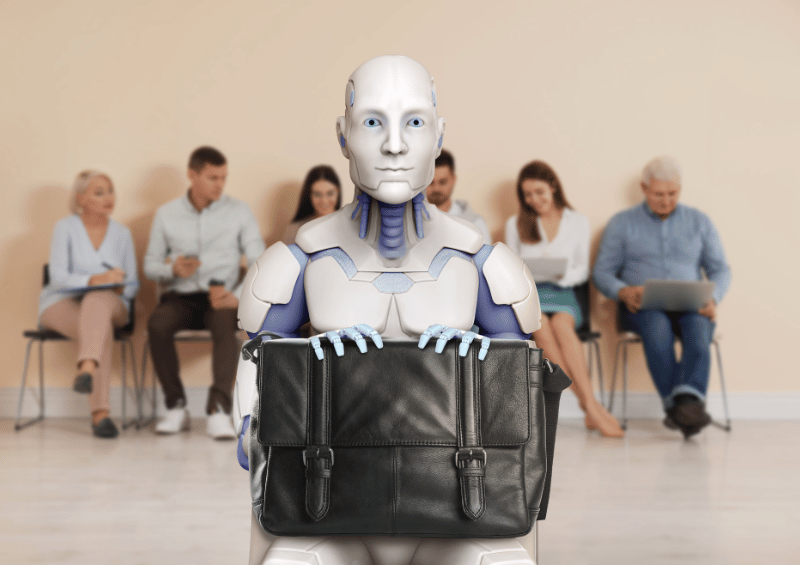
Education is changing at a faster pace than ever before — and technology is driving this transformation.
Artificial Intelligence (AI) has become a powerful catalyst, reshaping how schools recruit teachers,
how students learn, and how institutions operate. Platforms like Teachlix are at the
forefront of this evolution, making recruitment smarter, faster, and more accurate.
In this article, we explore how AI is influencing the education recruitment ecosystem and what the future holds.
1. AI Makes Hiring Faster & More Efficient
Traditionally, schools spend hours filtering resumes, contacting teachers, and conducting evaluations.
AI automates these tasks by scanning applications, matching relevant skills, and highlighting the best candidates.
- AI-powered resume screening
- Automated shortlisting
- Instant skill-based matching
- Recommendation engines for best-fit candidates
“Schools using AI-based recruitment tools are able to fill positions 40% faster than traditional methods.”
2. Smart Algorithms Improve Teacher Quality
AI analyzes teaching experience, qualifications, student feedback, demo classes, and skill indicators
to give administrators a deeper understanding of a teacher’s performance potential.
- Data-driven insights
- Behavioral and communication assessment patterns
- Subject expertise analysis
3. AI Helps Students Find the Right Teachers
Platforms like Teachlix use AI to match home tutors with parents based on learning style, experience,
subject expertise, and student needs.
This ensures a stronger connection between tutors and learners — boosting academic results.
4. Predictive Analytics for School Staffing
AI can forecast hiring needs based on student admissions, seasonal demand, teacher turnover rate,
and curriculum changes. This helps schools plan ahead and avoid last-minute hiring rushes.
5. The Future — AI-Powered Digital Recruitment Rooms
By 2027, digital hiring rooms will become standard. Schools will be able to take:
- AI-monitored video interviews
- AI-generated skill reports
- Personality and communication analysis
- Automated onboarding pathways
AI doesn’t replace humans — it makes hiring human-centric, accurate, and efficient.
 Teachlix Team
•
Nov 20, 2025
•
6 min read
Teachlix Team
•
Nov 20, 2025
•
6 min read